
How to Manage a Duplex in San Diego: DIY vs. Property Manager
TL;DR
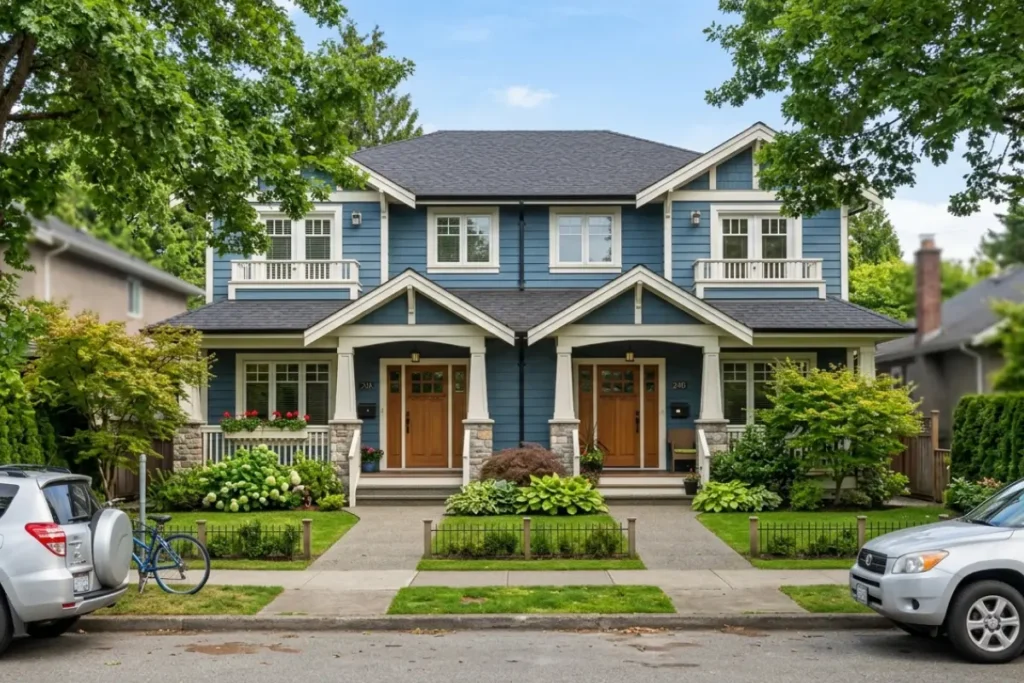
Managing a duplex in San Diego is more work than a single-family rental because you have two units, two leases, and shared systems to juggle. Most duplexes also fall under California and San Diego rent control rules, so compliance is non-negotiable. You have two real options:
- DIY management works if you live nearby, have time on weekends, and are willing to learn landlord-tenant law. Plan to handle rent-ready prep, pricing, marketing, tenant screening, lease drafting, rent collection, maintenance, and yearly inspections yourself.
- Hiring a property manager works if you live far from the property, have a busy job, own multiple units, or just added an ADU. Expect to pay 7-10% of monthly rent plus a leasing fee, in exchange for full-service management and legal compliance.
If you’re not sure which path fits schedule a free consultation with our team.
Owning a duplex in San Diego can be a smart long-term play. You collect two rent checks, you can live in one unit while renting the other, and small multi-family buildings tend to hold value well in our market. But once you have the keys, you need a real plan to run the place.
This guide walks you through the actual steps for both paths. First, we’ll show you how to manage a duplex yourself. Then, we’ll show you how to manage one with a property management company. At Good Life Property Management, we’ve helped more than 1,000 San Diego homeowners run rentals since 2013, so we’ll share what works in the real world. By the end, you’ll know how to set up each route and pick the one that fits your life.
Table of Contents
Why a Duplex Needs Its Own Plan
First, a quick note. A duplex is not the same as a single-family rental. You have two units, two leases, shared walls, and shared systems like plumbing and roofing. Most duplexes in San Diego also fall under California rent control (AB 1482) and the City of San Diego's tenant protection rules. So your plan must be built around small multi-family law, not single-family law.
Also, if you've added (or plan to add) an ADU, you now have three units to manage. That means more permits, more wear and tear, and stricter inspection rules. Whichever route you choose, build your system with this in mind.
Part 1: How to Manage Your Duplex Yourself
DIY management can work if you have time, patience, and a willingness to learn local law. Here are the steps to do it right.
Step 1: Get Each Unit Rent-Ready
Before you list either unit, prep the space. Start with a deep clean, fresh paint where needed, and a full safety check of smoke alarms, CO detectors, and locks. Next, fix anything broken. Then handle curb appeal, because shared buildings show better when the outside looks cared for. Our walkthrough on getting your units rent-ready covers the full checklist.
Also, take strong photos in daylight with a wide-angle lens. Good photos often cut days off your vacancy.
Step 2: Price the Rent With Real Data
Next, set your price. Pull three to five comps in the same ZIP code and unit size. Adjust for parking, yard, laundry, and finishes. Too high and the unit sits empty. Too low and you lose thousands over the year.
For San Diego, expect one-bedrooms to rent near $1,700 and two-bedrooms in the $2,200 to $2,500 range, though coastal areas run higher. Re-check comps every time a unit turns over.
Step 3: Market the Unit and Take Showings
Once you've priced it, post the listing on Zillow, Trulia, HotPads, Apartments.com, and Craigslist. Keep the headline clear and the description honest. Then reply to leads within a few hours. Serious renters contact many listings at once, so speed matters.
Also, schedule showings in tight time blocks rather than one-off appointments. That way, applicants see each other, which often speeds up offers.
Step 4: Screen Tenants the Right Way
This is the step where most DIY landlords get burned. Pull a credit report, verify income at 2.5x rent or higher, confirm rental history with past landlords, and run a background check. Then apply the exact same standards to every applicant. Our guide on how to screen tenants the right way breaks down the full process.
Also, follow fair housing law to the letter. The U.S. Department of Housing and Urban Development lists the protected classes you cannot use in any decision. One slip here can turn into a lawsuit.
Step 5: Use a Lease That Matches California Law
Use a California-specific lease, not a generic template. Your lease must cover rent, late fees, deposit limits, pet rules, utilities, and required disclosures for mold, lead, bed bugs, and flood zones. Include rules for shared spaces like the driveway, yard, and laundry.
Because most duplexes fall under state and city rent control, study our primer on California and San Diego rent control rules before you set your first rent increase.
Step 6: Collect Rent and Handle Maintenance
Set up an online rent payment tool so tenants can pay on time every month. Apps like Avail, RentRedi, or Baselane all work. Pick one, and use it for both tenants so your books stay clean.
For maintenance, build a short list of trusted vendors before you need them. A plumber, an electrician, a handyman, and an HVAC tech should all be on speed dial. Also, respond to repair requests within 24 hours. In shared buildings, a small leak in Unit A can quickly damage Unit B, so fast action protects both tenants and your wallet.
Step 7: Stay Compliant and Keep Clean Records
Every California landlord has to follow strict rules on notices, entry, and evictions. The California Courts self-help center lays out the proper notice timelines and forms. Use them exactly as written.
Then, keep clean records all year long. Save receipts, lease docs, inspection reports, and rent ledgers. At tax time, this makes filing your Schedule E much easier. It also protects you if a tenant ever disputes a charge.
Step 8: Do Seasonal Inspections
Finally, inspect each unit at least once a year, and walk the exterior every quarter. Give proper written notice before you enter. Look for leaks, pest signs, and any unapproved changes. Small issues caught early almost always cost less to fix.
Part 2: How to Manage Your Duplex With a Property Manager
If you'd rather hand off the day-to-day work, here's how to set that up step by step. For a deeper breakdown of whether this route fits your budget, see our post on is property management worth it.
Step 1: Decide What You Want Handled
Start by listing what you want off your plate. Most duplex owners want full-service management, which covers marketing, screening, leasing, rent collection, maintenance, and compliance. However, you can also hire out just tenant placement if you'd rather handle the ongoing work yourself.
Also, think about how involved you want to be. Do you want to approve every repair over $300, or do you want a fully hands-off setup? Write this down before you start calling companies.
Step 2: Vet and Hire the Right Company
Next, interview at least three companies. Ask how long they've been in business, how many small multi-family buildings they manage, what their average days on market are, and what fees they charge. Our guide on how to vet a property manager has the exact questions to ask.
Also, check online reviews and confirm the company's real estate license on the California Department of Real Estate website. Any company worth hiring will pass this check without issue.
For duplex and small multi-family owners, Good Life runs a dedicated multi-family division built for buildings exactly like yours.
Step 3: Onboard Your Property
Once you've picked a company, the onboarding process usually takes one to two weeks. Expect to sign a management agreement, hand over keys, share HOA docs if you have them, and complete a walk-through. Your manager will also want copies of current leases, tenant contact info, and vendor history.
Next, set up direct deposit so rent hits your bank each month. Most companies send owner statements on a set date, often the 10th.
Step 4: Stay Engaged, But Hands-Off
After onboarding, your main job is to review the monthly owner statement and respond to any approval requests. A good manager will notify you of major repairs, lease renewals, and any tenant issues that affect the property.
Also, schedule a check-in call twice a year. Use it to review rent pricing, upcoming lease ends, and any larger projects for the building.
Step 5: Review Reports and Plan Ahead
At year-end, your manager should send a full tax package with income, expenses, and any 1099 forms. Save this with your own records for Schedule E filing.
Then, plan the next year. Discuss market-rate rent increases (within rent-control limits), big-ticket repairs, and any upgrades that could raise your rents, such as in-unit laundry or an ADU addition.
Which Path Fits You?
There's no single right answer. However, a few questions can point you in the right direction.
DIY may work if:
- You live in one unit of the duplex
- You have handyman skills and free time on weekends
- You're comfortable with California rental law
- You enjoy tenant relationships
Hiring a manager may fit better if:
- You live out of the area or plan to move
- You have a full-time job or young kids at home
- You just added an ADU and now juggle three units
- You want to scale up to more rentals
- You're an active-duty service member facing a move
Still unsure whether to even keep the duplex? Our free rent or sell calculator can help you compare the numbers side by side.
Why San Diego Owners Trust Good Life
Whichever path you choose, here's a bit about who we are. Good Life Property Management has spent 13+ years managing San Diego rentals. Since 2013, we've served over 1,000 San Diego property owners across more than 40 neighborhoods. For duplex and small multi-family owners, our dedicated Multi-Family Property Management division brings systems built for buildings just like yours. And in 2025, propertymanagement.com named us one of the Top 100 Property Managers in America.
In short, we've seen almost every duplex situation you can imagine, from house-hacked starter duplexes in North Park to ADU conversions in Normal Heights to long-held family properties in Pacific Beach.
Ready to Talk It Through?
Whether you plan to self-manage or hire help, we're happy to answer your questions. Reach out for a free, no-pressure consultation. We'll walk you through what your duplex could rent for, what management would cost, and what to watch out for in today's San Diego market. Either way, you'll leave the call with a clearer plan for your property.
FAQs
1. Does California rent control (AB 1482) apply to my San Diego duplex?
Most duplexes in San Diego fall under AB 1482, but there's a key exception. If you live in one unit as your primary residence, your duplex may qualify for the owner-occupied exemption, as long as the owner moved in before the tenant and stays put. Non-owner-occupied duplexes, duplexes on the same lot as a separate main house, and buildings over 15 years old are generally covered. Keep in mind the City of San Diego's tenant protection ordinance applies from day one of the lease, which is stricter than state law.
2. How much can I raise the rent on a covered duplex?
For covered properties in San Diego County, the cap for the August 2025–July 2026 period is 8.8% (calculated as 5% plus the regional CPI). The state ceiling is always the lower of 5% + CPI or 10% total. Recheck the CPI each August before issuing an increase, and document your math in case of a dispute.
3. Do I need "just cause" to end a tenancy in my duplex?
Yes, in most cases. Under state law, just cause kicks in after 12 months of tenancy, but the City of San Diego applies just-cause protections from day one. "At-fault" reasons (non-payment, lease violations) don't require relocation help, but "no-fault" reasons (owner move-in, substantial remodel, withdrawing from the market) do. Relocation assistance can run from one month's rent under state law up to two to three months under city rules, especially for seniors or disabled tenants.
4. What's the maximum security deposit I can collect?
As of July 1, 2024, most California landlords are capped at one month's rent for the security deposit, whether the unit is furnished or not. Small landlords who own no more than two rental properties with a combined four units or fewer can still collect up to two months. You must return the deposit (or an itemized statement of deductions) within 21 days of the tenant moving out, or face penalties up to twice the deposit amount.
5. How should I handle utilities in a duplex?
Ideally, each unit has its own meter for gas, electric, and water so each tenant pays their own bill directly. If the building has shared meters (common in older San Diego duplexes), you'll need to either include utilities in the rent, install sub-meters, or use a RUBS (ratio utility billing) system. Whatever you choose, spell it out clearly in the lease. Shared meters without a written allocation plan are one of the top sources of tenant disputes in small multi-family buildings.
6. How much does property management actually cost for a duplex in San Diego?
Expect 7–10% of collected rent for the monthly management fee, with many companies charging 7–8% for small multi-family buildings. On top of that, most companies charge a leasing fee (often 50–100% of one month's rent) when a new tenant moves in, plus possible lease renewal, inspection, and maintenance coordination fees. When comparing companies, always ask for the "all-in" annual cost, not just the headline percentage.
7. What's the best way to split expenses for taxes if I live in one unit?
If you live in one unit and rent the other (house hacking), you'll generally split shared expenses 50/50 by square footage. You report rental income and the rental share of expenses (mortgage interest, property taxes, insurance, utilities, repairs, depreciation) on Schedule E. Your personal-use share of mortgage interest and property taxes can still be itemized on Schedule A. Always keep a clean paper trail and talk to a CPA familiar with rental real estate before your first filing.
8. Can I apply different standards to applicants for each unit?
No. You must use the same written screening criteria for every applicant at both units, including credit, income (typically 2.5–3x rent), rental history, and background. San Diego also requires landlords to consider Section 8 vouchers as a valid source of income. Fair housing violations are one of the fastest ways to end up in a lawsuit, and inconsistency between units is a common trigger.
9. What changes when I add an ADU to my duplex?
Adding an ADU turns your building into a three-unit property, which means more permits, stricter inspection expectations, and more wear on shared systems. Your insurance will need to be updated, and you may need to reallocate parking or utilities. ADUs are generally subject to the same rent control and just-cause rules as the main units if they're rented out, though the specific rules for ADUs on single-family lots can differ. Check with the City's ADU program before signing a new lease.
10. How do I handle disputes between the two tenants?
This is one of the biggest differences from a single-family rental. A strong lease is your best protection. Spell out rules for shared driveways, yards, trash areas, laundry, noise hours, and parking. When a dispute comes up, respond in writing, stay neutral, and enforce the lease the same way for both tenants. If one tenant is clearly violating the lease (repeated noise, property damage), follow the proper notice process under California law. Avoid taking sides in personal disagreements that aren't lease-related.
Meet the author:

Steve Welty
Subscribe to our Weekly Newsletter
Join the 5k+ homeowners receiving Local Law Updates and Landlord Tips. Delivered to your inbox every Saturday at 6am PST.
Share this:
Get in touch with us:
Choose Your Next Step
Good Life Blogs
We believe that education is empowering.

How Has COVID-19 Affected the San Diego Real Estate Market?
COVID-19 has had an impact on the San Diego real estate market. Read to find out how the sales and rental markets have changed.
AB 2347: New Eviction Rules California Landlords Must Know in 2025
Learn about California’s AB 2347 and how it changes eviction timelines and procedures for landlords. Stay compliant with these key updates starting January 2025.
The 2026 Appliance Mandate: How AB 628 Affects Landlords
Learn how CA’s 2026 Appliance Mandate (AB 628) changes landlord obligations, what appliances must be provided, and steps to take to stay compliant.