






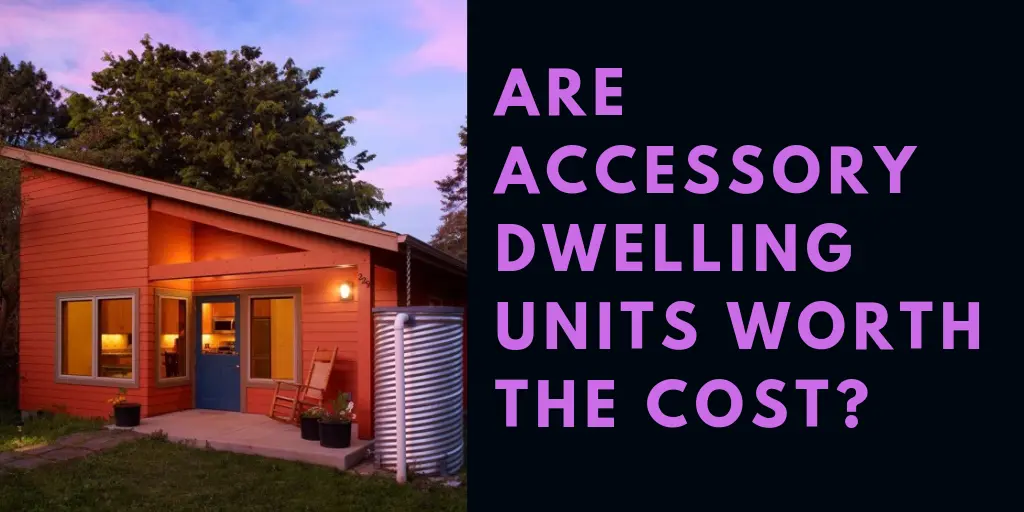

Deciding to rent your accessory dwelling unit is a great decision. For long-term rentals, you aid the housing crisis and bring in consistent rental income. If you decide to go short-term, you provide tourists a great place to stay and bring in increased income seasonally. But which of these renting styles is right for you?
While short-term rentals can be very popular, they tend to be more involved and complicated than long-term rentals.
Frequency of Communication
If you rent your granny flat short-term on sites like Airbnb, you’ll have to communicate with tenants and potential tenants more often. Airbnbs usually require more coordination because you have more turnover and more inquiries about the property. They might have questions before renting about rules and features of the home. During the brief tenancy they might have requests or problems you have to deal with.
On top of that, people are only staying for a few days to a couple weeks. This means that you’ll be repeating that cycle much more often than you would for a long-term rental.
Long-term rentals will have less communication required, especially if you hire a property management company. You’ll communicate at the start of the tenancy, when maintenance is needed, and at their move-out. Leases typically last for at least a year, so you won’t have to worry about repeating this process over and over in a short window of time.
Consistent Income
A benefit of using your home as a long-term rental is the consistent tenancy and income. Most rental property owners do one year leases, meaning you’ll get consistent paychecks for 12 consecutive months. People often use this additional income for mortgage payments and to pay bills.
It’s fairly easy to get instant traction when your home needs to be leased to new tenants as well. Landlords can easily post their rental on sites like Zillow and Craigslist and quickly receive applications and inquiries about the home. This is especially the case in cities like San Diego, where rentals are always in high demand.
On the contrary, renting the property short-term requires some rapport. When people search for rentals on sites like Airbnb, they look for homes with great reviews. It can take a lot of time to build that rapport and get enough reviews that you have consistent tourists and vacationers coming to stay in your home. In the meantime, you won’t have that stable income that a long-term rental would provide.
The Housing Crisis
You probably hear a lot about the housing crisis if you live in San Diego. Plenty of people want to live here, but there aren’t nearly enough affordable homes and apartments. Thankfully, granny flats are an easy way to help combat this.
By renting your granny flat, you’re providing a cheaper alternative to an expensive apartment or condo. Many people are on the hunt for small units, particularly young professionals and couples. Renting your unit long-term can ease their struggles as well as yours.
As you probably guessed, renting your ADU short-term doesn’t really help the housing problem. When you only rent to tourists, you aren’t helping the population of San Diego. You’re actually decreasing the supply because your home isn’t on the long-term rental market, making it harder for residents to find what they need.
Different Regulations
There are different regulations and rules for short-term rentals. Cities are always attempting to pass new regulations to decrease the number of vacation rentals. This is especially the case if they are close to the beach. Carlsbad and Coronado already have their on restrictions on these rentals and it’s only a matter of time before something passes in the City of San Diego. This means you might have to rent long-term anyway, or not rent your granny flat at all.
On top of that, some cities set limits on the length on tenancy as well. In San Diego, you cannot rent an ADU for less than 30 days, making it a challenge to use the property as anything but a long-term rental. Make sure you research your city’s laws on this topic.
There are rules when it comes to renting a property long-term as well. These are mostly things like fair housing regulations and tenant laws that you should know. You should either study this information (check your neighborhood for any local landlord seminars) or consider hiring a property manager to handle your property for you.
If you’re considering building an ADU, check out our other blogs on the subject!
If you found this article helpful, follow us on social media. We post daily tips to help you manage your own rental property:
Further Reading
Steve Welty
Subscribe to our Weekly Newsletter
Join the 5k+ homeowners receiving Local Law Updates and Landlord Tips. Delivered to your inbox every Saturday at 6am PST.
Share this:
Get in touch with us:
We make owning rental property easy.
Choose Your Next Step
Good Life Blogs
We believe that education is empowering.

What Is Property Management? What It Actually Takes to Manage a Rental
What is property management? It is the professional oversight of every aspect of a rental property, from tenant placement and rent collection to maintenance, legal compliance, and financial reporting. Behind it is roughly 30 hours of work every time a tenant turns over, 2 to 3 hours of ongoing management each month, and a constantly shifting landscape of California rental laws that can cost landlords thousands if they get it wrong. This guide breaks down what a property manager actually does, the skills required, the most common mistakes first-time landlords make, and how to know if hiring a property manager is the right move.

How Much Can I Rent My House For in Riverside County? 2026 Data From Our Portfolio
If “rent my house” is the thought running through your head right now, the first thing you need is an accurate number. Most online tools report Riverside County averages in the $2,200 to $2,300 range, but those figures blend apartment data with single-family homes and consistently understate what a house will actually lease for. In this guide, we share the actual rent data from our Riverside County portfolio so you can make a confident decision about whether renting out your home is the right move.

Should I Sell My House in San Diego? Real 2026 Rent vs Sell Data
Should you rent or sell your San Diego home in 2026? We break down the real numbers using data from our portfolio of over 1,034 managed properties, average rents, days to lease, transaction costs, and mortgage rate math, so you can make the right decision.